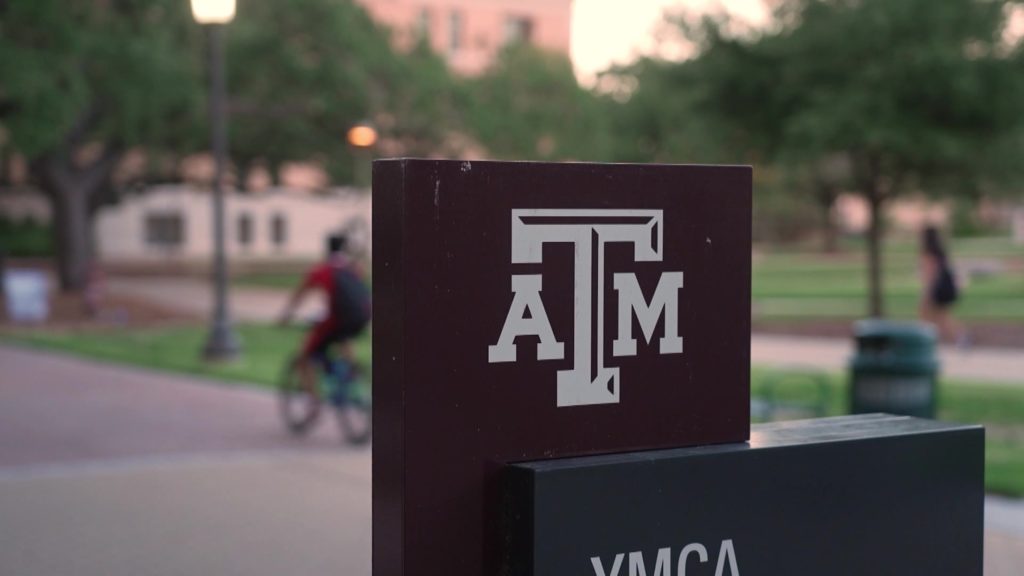
In Texas, newly elected Democrats are preparing to convene in Austin, wielding political power not seen in decades. A significant issue on their agenda is the potential reversal of recent legislative changes affecting public universities, which have been largely influenced by Republican lawmakers. These changes have imposed restrictions on educational content, particularly regarding topics related to race and gender.
The situation reflects a broader trend across the United States, where more than half of college students are enrolled in states with laws limiting academic freedom. In Texas, the passage of Senate Bill 37 last year has shifted authority over university curricula from faculty to regents appointed by the governor, amid concerns about perceived political indoctrination on campuses.
Former Texas A&M University professor Martin Peterson faced challenges when teaching a course on contemporary moral issues, which included readings from Plato's "Symposium." His syllabus was flagged for violating university policy prohibiting discussions on race and gender ideology. Despite the controversy, Texas A&M maintains that Plato's works are still part of its curriculum.
The push for oversight has led to significant changes at various Texas universities. The University of Texas at Austin has eliminated four undergraduate majors focused on race, ethnicity, and gender, while Texas Tech has modified nearly 300 courses due to restrictions on these subjects. At the University of Houston, over 45 percent of core curriculum classes have been cut, impacting courses on climate change, gender studies, and LGBTQ studies.
Students have expressed concerns about the implications of these changes on their education. Valentina Rivas Labarca, a political science major, noted that the consolidation of race and gender studies programs has limited her learning options. Faculty members, including Daniel Morales, a law professor, have reported self-censorship in their teaching, fearing repercussions from lawmakers.
Brian Harrison, a member of the Texas House of Representatives, has been a vocal advocate for these changes, arguing that taxpayer-funded positions should not be used for ideological indoctrination. He believes that taxpayers should have control over university curricula through their elected representatives.
As the political landscape evolves, the future of academic freedom in Texas remains uncertain, with educators and students alike navigating the implications of increased legislative oversight.




Join the conversation
Reader comments 0
No comments yet. Be the first to share your thoughts.