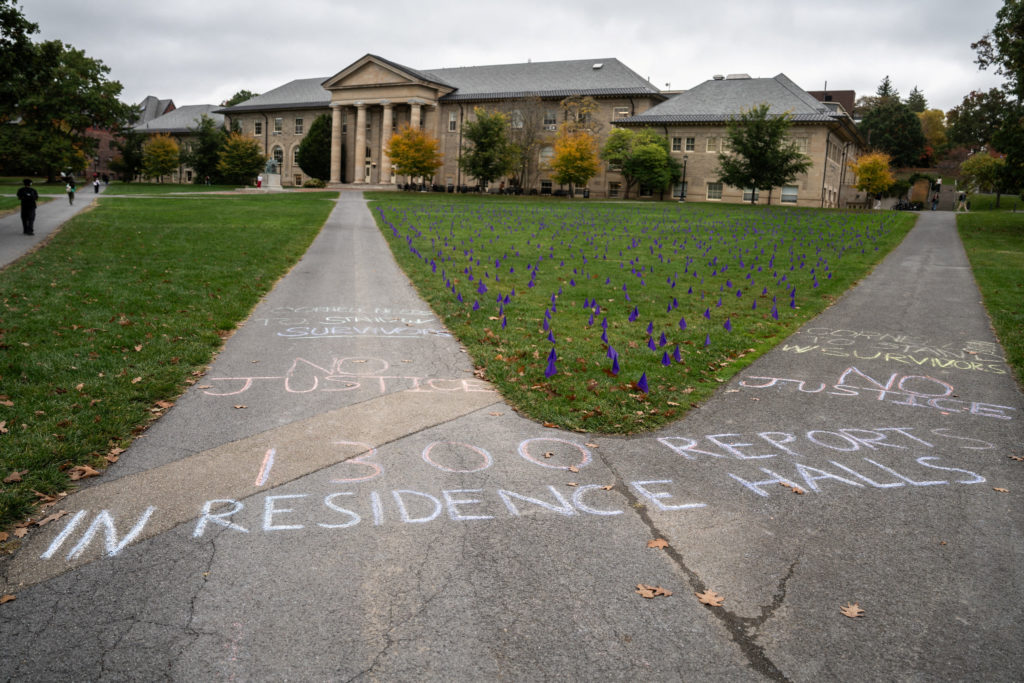
Cornell University faculty are set to meet on Wednesday to finalize discussions and begin voting on a proposed no-confidence resolution directed at the university's administration. This action follows significant dissatisfaction regarding the administration's response to a woman's report of being gang-raped at a campus fraternity house in 2024.
The upcoming meeting comes in the wake of an Oct. 14 Faculty Senate session, where faculty members expressed their frustrations directly to Cornell University President Michael Kotlikoff regarding the handling of the allegations. Although the meeting was closed to the media, an audio recording obtained by The Associated Press revealed that Kotlikoff acknowledged certain missteps in the administration's response. He defended his leadership and requested additional time to implement cultural changes within student social life and to pursue reforms. He emphasized the importance of faculty confidence in his leadership, referencing an independent investigation into the university's handling of the case that he believes could lead to significant reforms.
A woman, referred to in court documents as Jane Doe, filed a lawsuit last month claiming that seven members of the Chi Phi fraternity sexually assaulted or exploited her in October 2024, alleging that Cornell mishandled her complaints. All accused individuals have denied the allegations. The criminal investigation by Cornell's police department has reportedly stalled after the district attorney chose not to pursue charges. In a New York Times interview, Kotlikoff admitted he did not follow up on the woman's case or the status of the investigation.
During the Faculty Senate meeting, Kotlikoff acknowledged that he had not reviewed the Cornell Police Department's report on the allegations, citing confidentiality and university policy that restricts top administrators from involvement in criminal investigations. He expressed his commitment to addressing the issues at hand, stating that experienced leadership is crucial and that replacing him could damage Cornell's reputation.
Concerns were also raised regarding the administration's management of a student's return to campus after disciplinary action, particularly regarding his assignment to a shared dorm room with a roommate unaware of his history. Following Kotlikoff's departure from the meeting, several faculty members voiced their loss of confidence in the administration's ability to effectively combat sexual assault on campus. Some members cautioned that a swift no-confidence vote might not adequately address the underlying issues.
The meeting on Wednesday is scheduled to commence at 3:30 p.m. and will be closed to the public and media. Electronic voting will follow and remain open until Nov. 6, with individual votes cast anonymously. While a no-confidence vote would primarily serve a symbolic purpose, it could convey a significant message to the university's trustees, who hold the authority to determine leadership at Cornell. Kotlikoff has been serving as the university's interim president since July 2024 and was appointed permanently last year, facing various challenges during his tenure, including labor strikes and criticism over his administration's handling of civil rights investigations.





Join the conversation
Reader comments 0
No comments yet. Be the first to share your thoughts.