As discussions surrounding higher education increasingly revolve around costs and career readiness, colleges are recognizing the importance of social skills in preparing students for the evolving job market. Paul Solman reports for the higher education series, Rethinking College, highlighting how institutions are adapting to meet these needs.
In the wake of the COVID-19 pandemic and the rise of social media, many students today report feelings of isolation and anxiety. This has raised questions about the relevance of socializing in college. Students emphasize that building relationships and learning to interact with diverse peers is crucial for their future careers. One student noted that the ability to connect with others is essential, regardless of their field of study.
Colleges like Eastern Michigan University and Michigan State University are shifting their focus from traditional academic metrics to job readiness. Eastern Michigan University President Brendan Kelly stated that the institution's mission is now centered on student participation in the economy post-graduation. Similarly, Michigan State University President Kevin Guskiewicz highlighted the university's strong employability ranking as a point of pride.
Students from various backgrounds shared their experiences of how college has exposed them to new ideas and cultures, fostering personal growth and social skills. At the University of Massachusetts Amherst, students reported that forming social connections is vital for their daily lives and overall well-being.
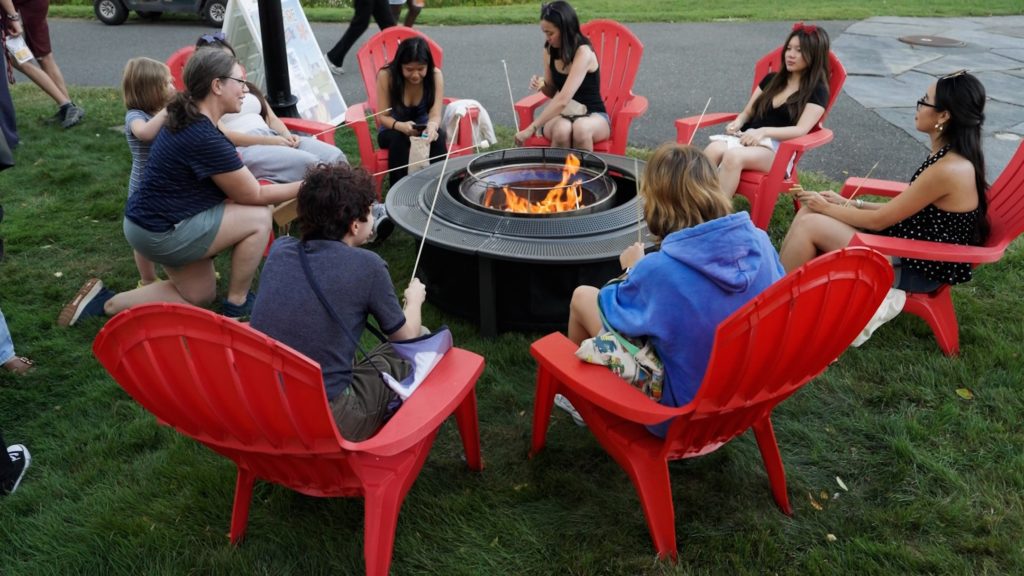
However, challenges remain. A significant number of students report feelings of loneliness, with 54% indicating they experience this issue. UMass Amherst has implemented initiatives to encourage in-person interactions, such as bonfires and dance parties, to help students build connections.
As the job market continues to change, colleges are increasingly aware that soft skills, such as communication and teamwork, are essential for student success. Michigan State University Provost Laura Lee McIntyre emphasized that college is a critical time for young adults to learn to manage their responsibilities and develop skills that will serve them in the workforce.
In summary, as the landscape of higher education evolves, colleges are prioritizing social skills development to ensure students are well-equipped for both personal and professional success in an uncertain future.
Join the conversation
Reader comments 0
No comments yet. Be the first to share your thoughts.