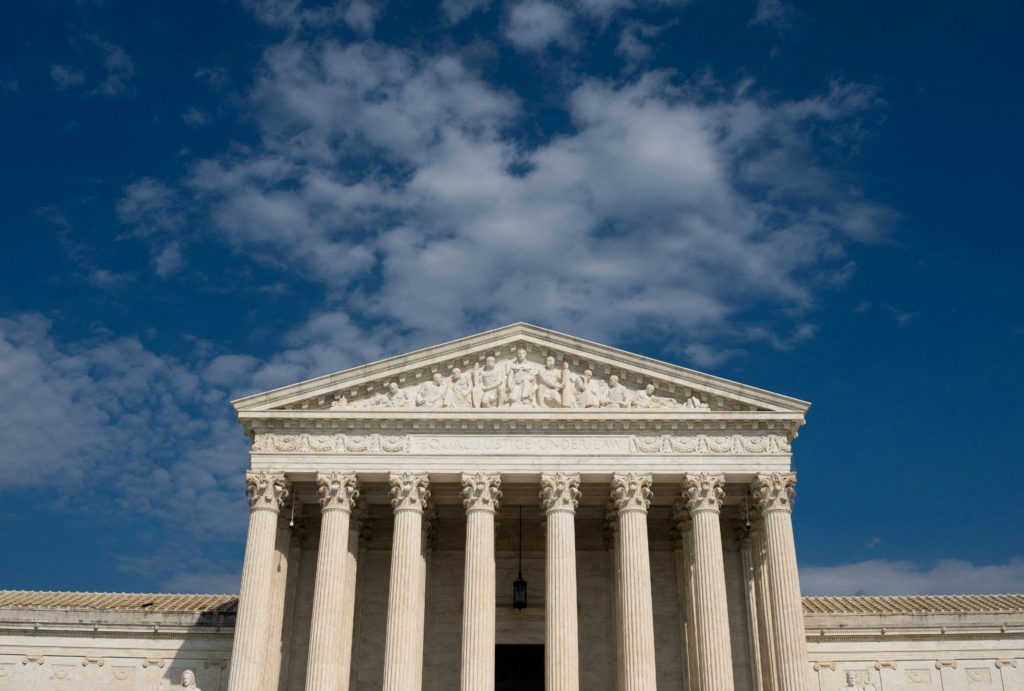
The Supreme Court heard arguments on Tuesday regarding a case involving the Archdiocese of Denver and its challenge to a Colorado preschool program that excludes Roman Catholic schools not adhering to equal-opportunity requirements. The Trump administration has joined the archdiocese in urging the court to overturn a ruling from the 10th Circuit that favored the state.
The case centers on the constitutionality of excluding Catholic preschools from the state-funded program based on their admissions policies concerning LGBTQ+ families. The archdiocese contends that this exclusion violates their free-exercise rights, as it is rooted in their religious teachings about same-sex marriage.
Nicholas Reaves, an attorney representing the archdiocese, argued that allowing Catholic schools to participate in the program would not diminish available spots for other preschools, stating, "This is not a zero-sum game."
In contrast, Colorado maintains that the refusal to admit children from LGBTQ+ families violates the state's anti-discrimination laws. Helen Norton, an attorney for the state, emphasized that while faith-based preschools can teach their religious beliefs, they must comply with the same conditions as all publicly funded preschools.
Justice Elena Kagan raised concerns about the implications of excluding children from same-sex marriages, while Justice Brett Kavanaugh noted the potential conflict between the rights of LGBTQ+ families and religious beliefs. The court's decision could have significant implications for religious rights and anti-discrimination laws, particularly in light of previous rulings favoring religious schools in similar cases. The Colorado universal preschool program was established by a 2020 ballot measure, allowing public funding for preschool at schools selected by parents. The plaintiffs argue that other preschools have been permitted to prioritize admissions based on various criteria, suggesting that religious beliefs should be treated similarly.
As the court deliberates, the outcome remains uncertain, with potential ramifications for both religious institutions and LGBTQ+ rights in educational settings.
Join the conversation
Reader comments 0
No comments yet. Be the first to share your thoughts.