
High school students across France are preparing to resume blockades starting Monday, as announced by the head of the student union "Lycéens!" Pierre Sourzat. This decision comes in response to what students deem insufficient measures proposed by the government to address the ongoing education crisis.
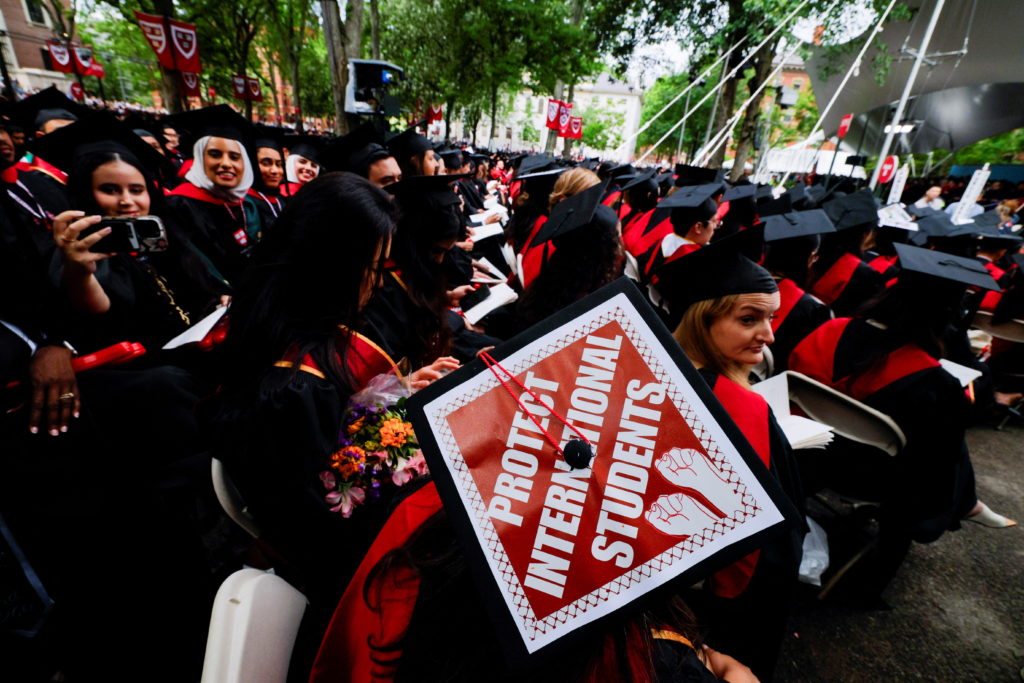
The announcement follows a weekend of protests that saw hundreds of thousands of demonstrators, including both high school and university students, take to the streets for the third consecutive week. The protests are largely driven by frustrations over rising living costs, deteriorating educational conditions, and perceived inequalities within the education system.
Sourzat indicated that while some high schools would be blockaded as early as Monday, the movement would gain momentum on Tuesday. He expressed solidarity with students who choose to take action immediately, stating, "We support all our comrades who are blocking their schools from tomorrow."
The protests intensified following the government's recent announcement of measures aimed at addressing student grievances, which included plans to overhaul the university admissions platform and provide loans for school renovations. However, many students feel these proposals do not adequately address their concerns.
Sabrine Kharbach, a spokesperson for the Union Etudiante, confirmed that blockades would also extend to universities on Tuesday and Thursday, emphasizing the students' determination to make their voices heard.
French President Emmanuel Macron has urged students to return to classes calmly, asserting that their concerns have been acknowledged. However, Sourzat countered this sentiment, claiming that the government's response is merely "smoke and mirrors." He criticized the proposed changes, particularly the limited scope of the university admissions overhaul, which he argues fails to tackle the critical shortage of higher education placements.
Additionally, Sourzat dismissed the government's plan to reduce class sizes as inadequate, noting that it would only apply to 10th-grade classes when students are seeking broader reforms that encompass all year groups.
As France grapples with economic challenges, including the threat of recession and pressure to manage national debt, the government faces limitations in its ability to meet the demands of student protesters through increased spending.
The ongoing unrest reflects a broader sentiment among young people in France, who are increasingly vocal about their dissatisfaction with the current state of education and the rising cost of living. As blockades resume, the situation is likely to escalate, further testing the government's resolve and the students' commitment to their cause.
With the eurozone's second-largest economy under strain, the outcome of these protests remains uncertain, but the determination of students to advocate for their rights is clear. The coming days will be pivotal as both sides navigate this complex landscape of demands and responses.
Join the conversation
Reader comments 0
No comments yet. Be the first to share your thoughts.