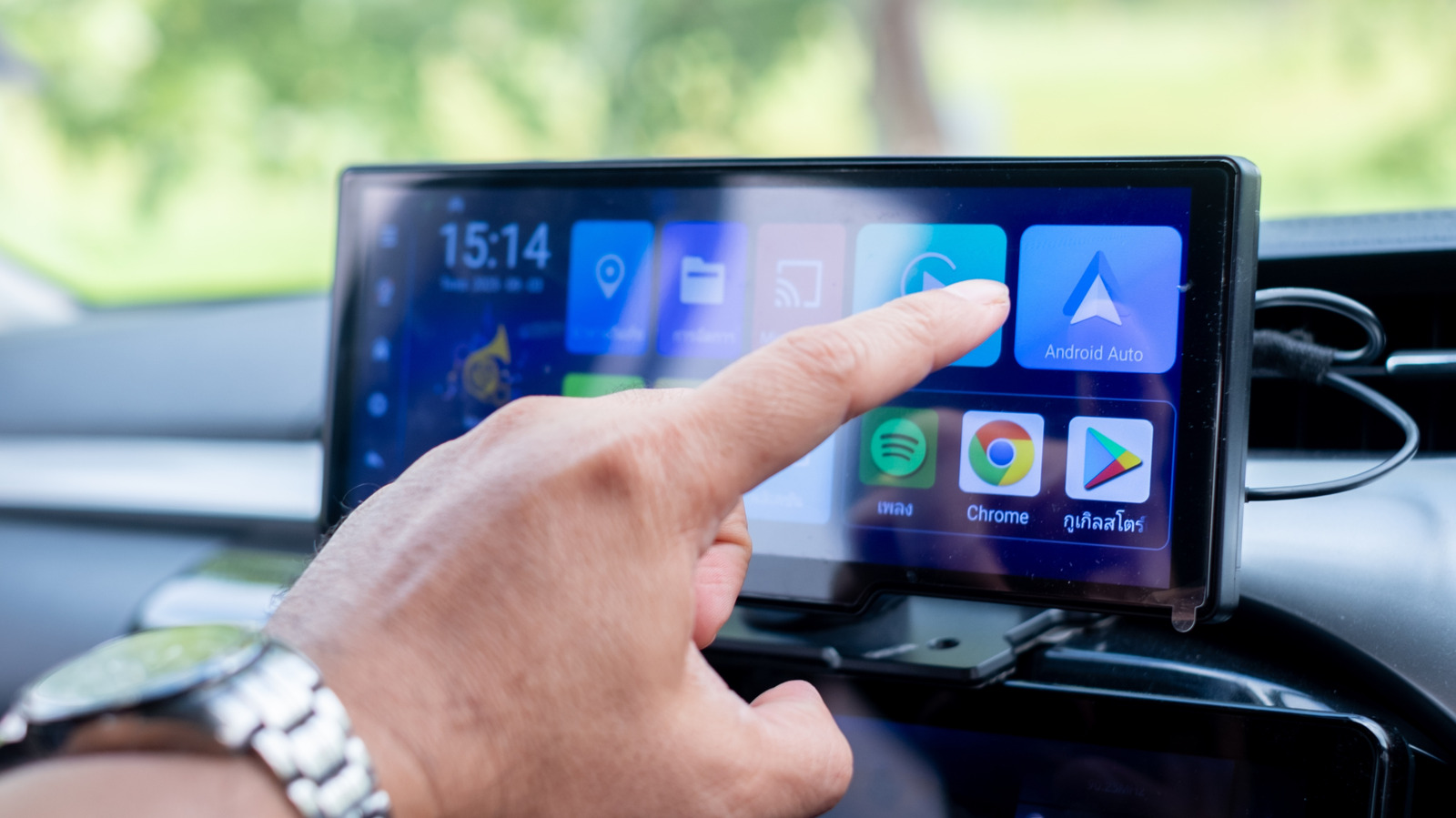
The concept of software-defined vehicles is gaining traction as modern cars increasingly resemble smartphones, with features that can be updated or enhanced through software. This shift marks a significant departure from traditional vehicles, which relied heavily on fixed hardware systems.
A software-defined vehicle, as defined by IBM, is one where core functions and features are controlled and updated via software rather than hardware. This allows manufacturers to remotely enable new features without requiring physical modifications to the vehicle. Traditionally, vehicles operated with a single Engine Control Unit (ECU) managing engine functions, but the rise of additional control units for transmissions, body functions, and safety systems has paved the way for this new technology.
Software-defined vehicles utilize fewer but more powerful control units capable of handling multiple systems simultaneously. These units can receive over-the-air updates, enabling manufacturers to enhance vehicle functionality over time. For instance, automakers like Lucid have improved features such as Android Auto and Apple CarPlay after the vehicle's initial launch.
However, the transition to software-defined vehicles is not without its challenges. Subscription models have raised concerns, as seen with BMW's attempt to charge for features like heated seats. Other manufacturers, including GM and Ford, have implemented recurring fees for semi-autonomous driving capabilities.
The reliance on software also raises safety concerns. A software failure in a vehicle can lead to dangerous situations, such as sudden shutdowns while driving. Additionally, the potential for features to be removed or placed behind paywalls poses a new risk for consumers, who may find themselves without previously available functionalities.
Lastly, the longevity of software support for vehicles remains uncertain. Unlike traditional cars that maintain their features throughout their lifespan, software-defined vehicles may face limitations in support duration, similar to smartphones. This raises questions about the long-term viability of such vehicles as technology continues to evolve.



Join the conversation
Reader comments 0
No comments yet. Be the first to share your thoughts.