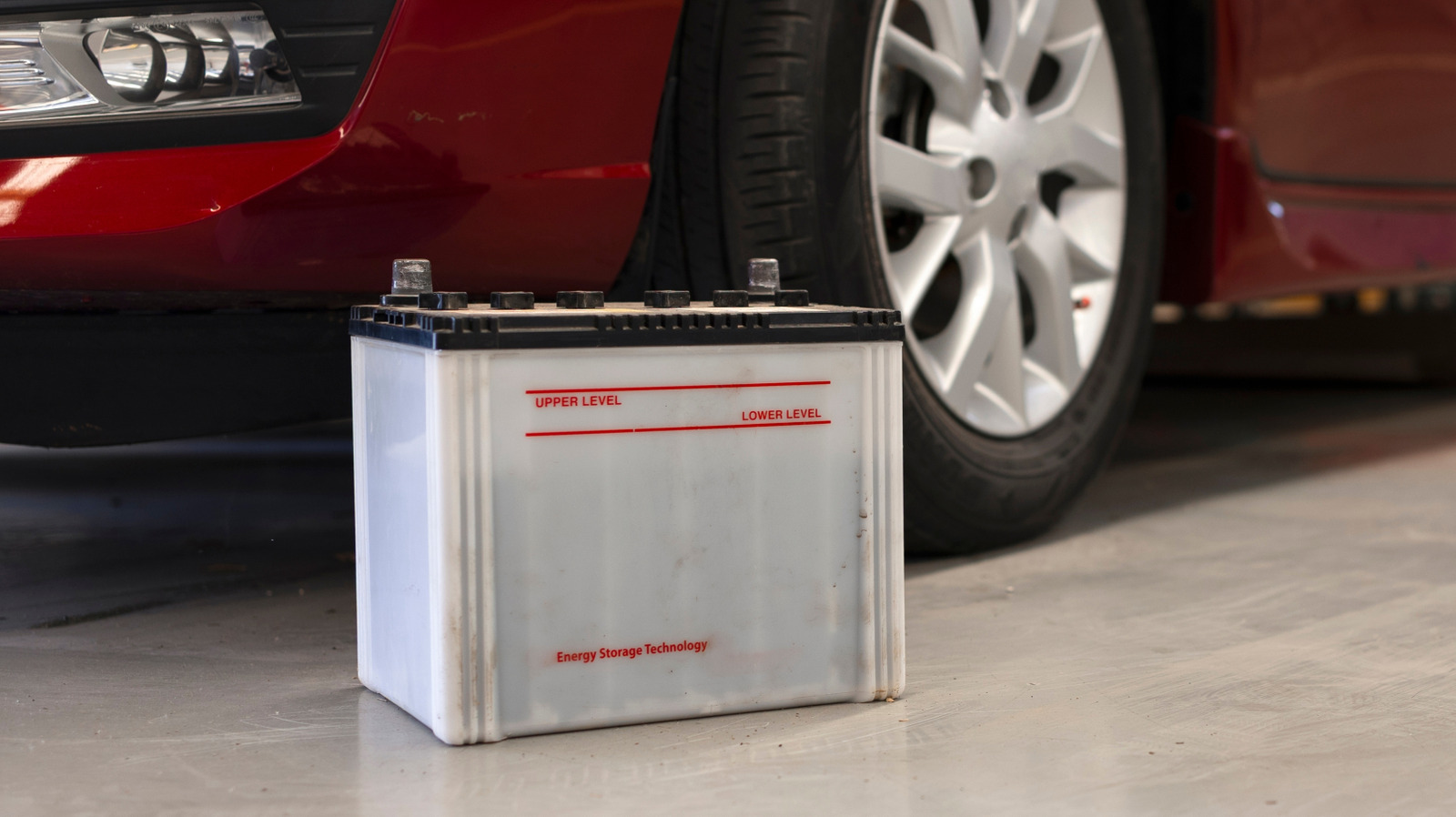
The belief that leaving a car battery on a concrete floor can damage it is a common myth among car enthusiasts. However, experts confirm that modern car batteries, which are typically encased in durable plastic, are not harmed by being placed on concrete. This myth, similar to others regarding vehicle safety and fuel performance, has some historical context but is largely unfounded today.
Historically, car batteries were encased in wooden boxes or glass jars, which were susceptible to damage when placed on the ground. Early batteries, producing just 6 volts, were more prone to discharge if they cracked or split. In contrast, today's 12-volt lead-acid batteries are designed with tough, injection-molded plastic casings that resist damage and do not discharge simply from being stored on concrete.
While placing a battery on concrete poses no risk, the reverse is true for the concrete itself. If a battery leaks or spills its contents, the sulfuric acid in the electrolyte solution can react with the alkaline compounds in concrete, leading to surface damage such as pitting and staining. Experts advise that any spills should be cleaned immediately using a baking soda paste to neutralize the acid, rather than water, which can exacerbate the issue. Proper personal protective equipment (PPE) should also be worn during cleanup to ensure safety.




Join the conversation
Reader comments 0
No comments yet. Be the first to share your thoughts.