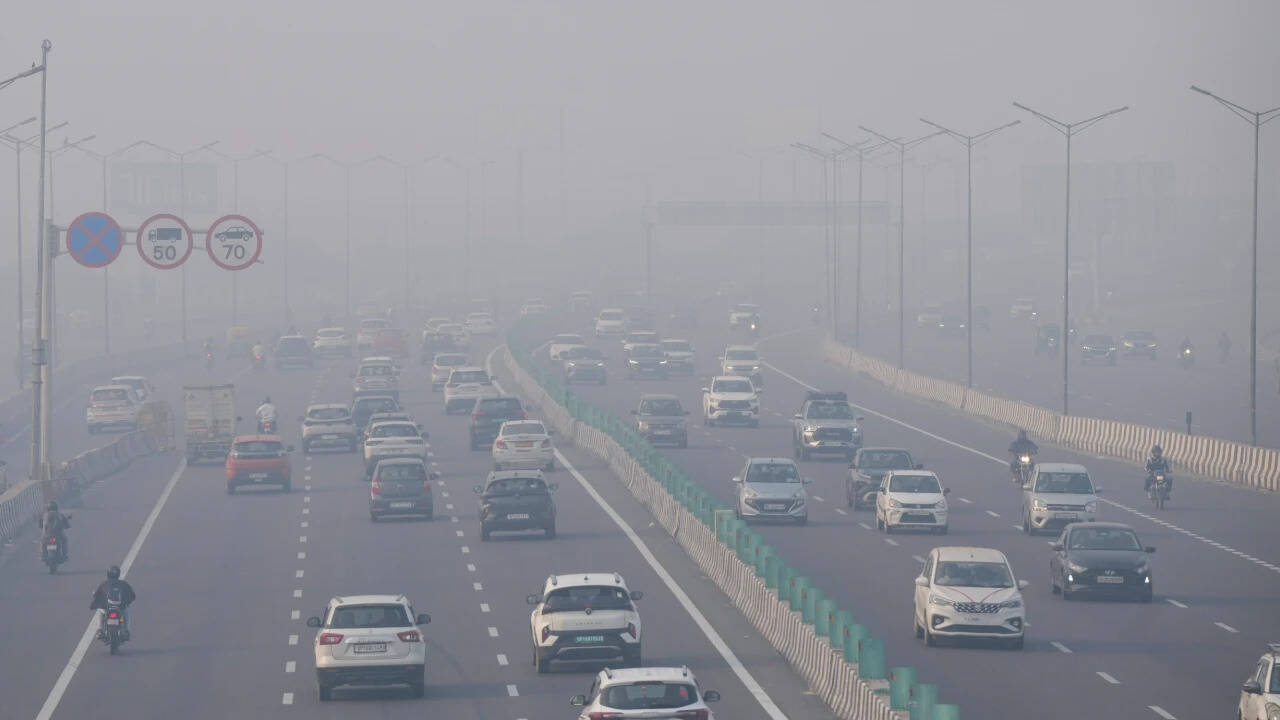
NEW DELHI: Following Diwali celebrations, Delhi has been enveloped in a thick layer of smog, with air quality levels reaching alarming figures. On November 8, several monitoring stations reported an Air Quality Index (AQI) exceeding 400, prompting a heated political dispute among the Bharatiya Janata Party (BJP), Aam Aadmi Party (AAP), and Congress.
BJP leaders have criticized both the previous Congress and AAP administrations for their inadequate response to the ongoing pollution crisis. Delhi minister Kapil Mishra accused the AAP government in Punjab of deliberately exacerbating the situation by increasing stubble-burning incidents during Diwali. Mishra called for an investigation by Punjab Chief Minister Bhagwant Mann and suggested filing FIRs against those responsible for the fires. He claimed that satellite data indicated a significant spike in stubble burning, from 125 incidents on November 7 to 1,200 on November 8, coinciding with the festival.
Congress leader Pawan Khera raised concerns about the reliability of pollution data, noting that readings from 25 of Delhi’s 39 monitoring stations were missing during the early hours of November 9. He questioned whether the government was suppressing data or if the monitoring equipment had been tampered with, demanding accountability from the authorities.
BJP MP Praveen Khandelwal echoed Mishra's sentiments, alleging that the AAP had intentionally allowed stubble burning to tarnish Delhi's air quality during the festive season. He criticized both the AAP and Congress for their historical inaction on pollution issues, asserting that the current BJP government would need time to rectify the situation.
In response, AAP Delhi unit president Saurabh Bhardwaj accused the BJP of manipulating air quality data to present a more favorable image of the city's air quality. He claimed that monitoring stations had been relocated to less polluted areas and that measures were being taken to influence pollution readings.
As the political blame game continues, the residents of Delhi face the immediate health risks associated with the hazardous air quality, raising urgent questions about the effectiveness of government measures to combat pollution.






Join the conversation
Reader comments 0
No comments yet. Be the first to share your thoughts.