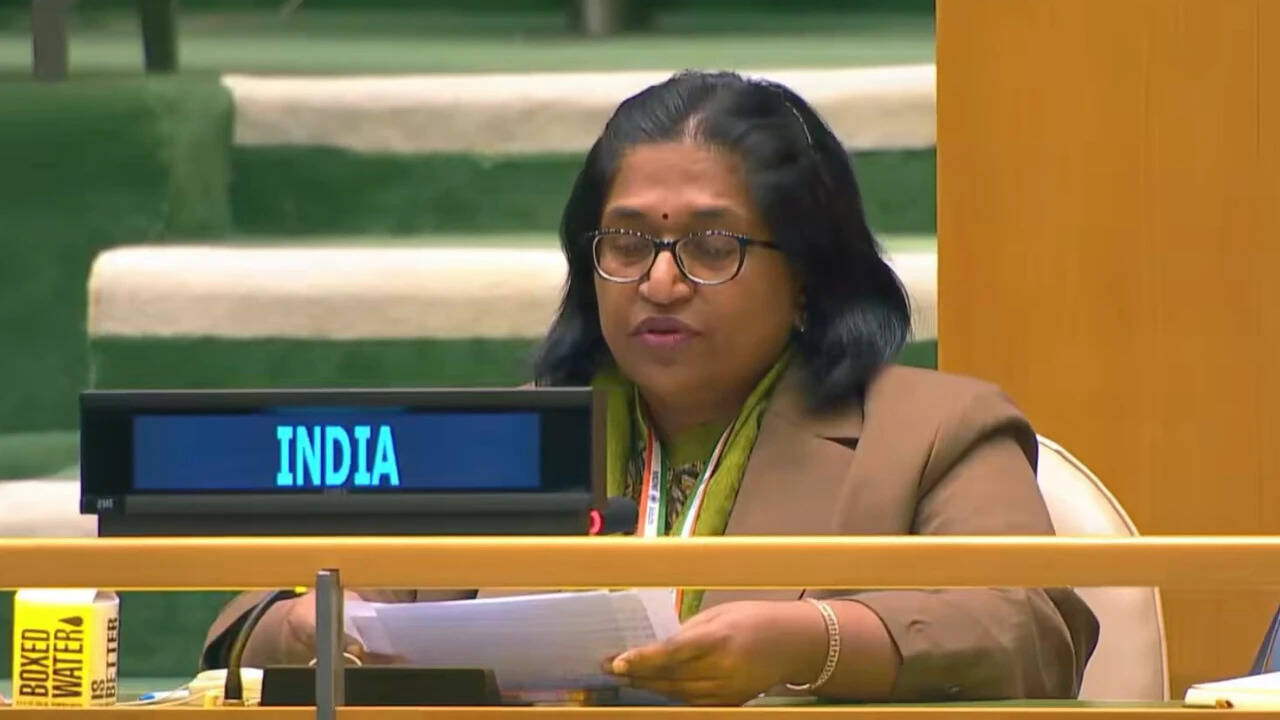
India has expressed strong disapproval of Turkey's decision to exclude it and other member states from consultations regarding a resolution on cooperation between the United Nations and the Organisation of Islamic Cooperation (OIC). This criticism was articulated during a session at the United Nations General Assembly, where India voted against the draft resolution, which ultimately passed with 112 votes in favor, six against, and 39 abstentions. Notably, Armenia, Cyprus, Greece, Israel, and the United States also opposed the resolution. The resolution was introduced by Iraq, with Turkey acting as its facilitator.
Yojna Patel, India's deputy permanent representative to the UN, highlighted that the OIC's Permanent Observer Mission deliberately excluded the Indian delegation and several other nations while distributing various drafts of the resolution. In her explanation of India's vote, Patel called for an investigation into the methods employed by the resolution's facilitator. She stated, "My delegation has voted against this resolution not only because of its substantive aspects, but also for an even more concerning matter regarding the working methods adopted by the facilitator."
Patel described the exclusion as "shocking" and warned that it sets a troubling precedent for delegations to exclude specific member states to further their own agendas. She noted that despite objections raised by some delegations in later discussions, the facilitators continued to exclude certain countries, disregarding essential procedures such as acknowledging inputs. Patel emphasized that the UN is founded on principles of sovereign equality and inclusivity, arguing that differences among member states should not justify intentional exclusion from discussions on General Assembly matters.
In a pointed remark, India expressed regret that the OIC had been misused by one member state to target India with unfounded allegations. Greece and Cyprus also raised concerns about the negotiation process under Turkey's facilitation, stating that the European Union's comments and amendments were not adequately addressed, and revised drafts were circulated without proper consultation.




Join the conversation
Reader comments 0
No comments yet. Be the first to share your thoughts.